



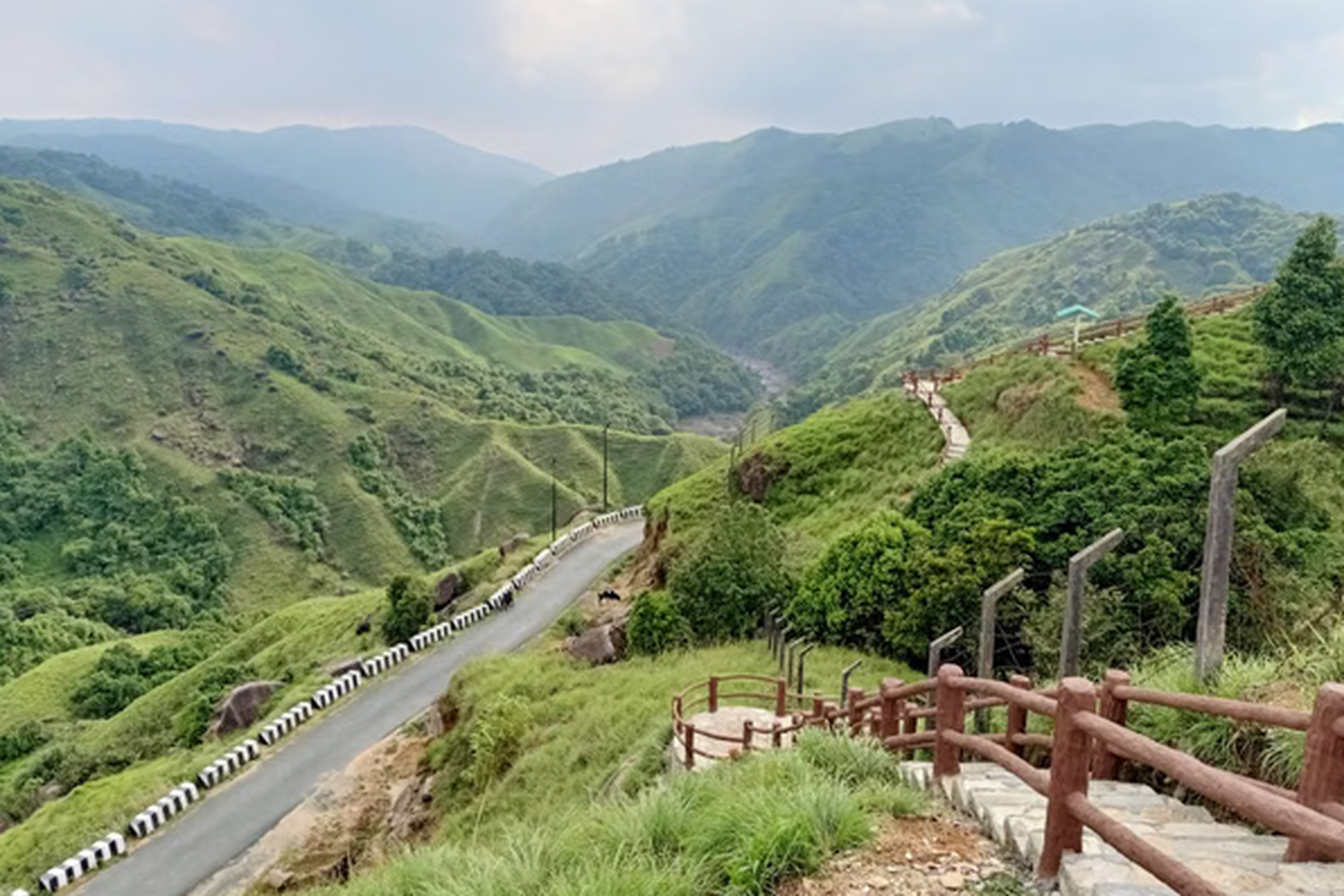
Meghalaya is a tourist favourite destination in northeast India. However, people often know it for the bustling streets of Shillong, the magnificent waterfalls of Cherrapunji, the clean waters of Dawki and the famous living root bridges of Nongriyat. But there is another aspect of this state that has still not been discovered as much. If you include Meghalaya in your travel wish list, then these places must be explored once.
From villages to remote river islands, fossil-filled places and underground caves, Meghalaya has more experiences than normal travels. Here are 7 places you can add to your travel list.
‘Mafanalur’ for peace and tranquility
The Mawfulnur is about 70 75 km from Shillong in the West Khasi Hills. It is a beautiful village for travelers who want peace. The village is famous for its lush grasslands, rustic cottages and many small lakes that reflect the surrounding hills and changing sky.
People who come here can walk in the meadows, enjoy running boats and see the shadow fog on the landscape. It is best to experience Mwaffonalur slowly. Its calm atmosphere is a great option for nature lovers, photographers and those who spend a quiet holiday in the countryside. It is best to go here between October and May, when clear sky gives beautiful views of lakes.
Unique Villages and Islands
Kongthong village
Kongthong village is about 55 60 km from Shillong. This is an interesting place for travellers who want to understand Meghalaya out of its natural beauty. Imagine living in a village where people call each other not by traditional names but by special musical melodies. This makes Kongthong one of the most fascinating cultural landmarks in Meghalaya.
Located in the East Khasi Hills, Kongthong is also known as the CT Wala village. Here is a unique tradition of Khasi, which is called Jingarwai Lavbei. Under this practice, mothers create different melodies for their children, which become their musical identity. The villagers use these tunes to call each other.
Mawlingbana
Mowlingbana is a great place for those who love adventure. Located in the East Khasi Hills, the village is known for its fossil-filled landscapes, Umkhakoi Lake and Mavsiangajoroi Crevis Walk. The Crevis walk passes through a narrow crack, which is believed to have been formed after the devastating Assam earthquake of 1897. Meghalaya is included in the list of tourists for its waterfalls and hilly landscapes,
the Nongkhanum River Island
There is also an extraordinary river island. The name is the Nongkhum River Island. The state tourism department considers it to be the largest in Meghalaya and one of the largest river islands in Asia. Located about 14 kilometers from Nongstoin in the western Khasi Hills, the island is formed when the Kinshi river is divided into two rivers, Fanaliang and Namliang. This geographical structure creates an unusual landscape of sandy river banks, grasslands and flowing waterways. Tourists can walk on the suspension footbridge and have a boat-fishing experience. The river island also facilitates camping for travellers wishing to spend more time among nature.
There are roots of the trees hanging, rocky walls and stairs connecting different parts. Umkhakoi can carry out water-related activities in the lake. The surrounding area also gives opportunities for fossils exploration and nature walks.
Bridges and caves of roots (Ngriyat)
Meghalaya’s living root bridges are among the best examples of traditional ecological engineering. While Nongriyat draws considerable attention, Kudengrim gives another fascinating opportunity to experience this indigenous architecture tradition. Located in the Jaintia Hills, the village is surrounded by dense forests, streams and waterfalls. One of its features is a two-tier living root bridge, which has been designed by carefully directing the roots of rubber ficus lastica at natural intervals.
To reach this place, a small climb has to be done through a dense forest. Tourists can also visit nearby waterfalls, including Mukhray Step Falls, and enjoy nearby bamboo structures and beautiful trails.
Nong Bareh Village
The village is known for its magnificent living root bridge, a double-dispersed structure crossing the Amlai river. Locally known as Jingqiangjari Ammosai. The bridge is more than 100 years old and reflects the traditional relationship between local communities and their natural surroundings. Nong Bareh is also a place where travellers can learn directly about the live root bridge tradition from the communities that have preserved it. Given its remote location, it would be appropriate to arrange a local guide.
Siju Cave
Also known as Dobakkol or Bat Cave, one of the longest limestone cave systems in India, is more than 4.7 km long. Located near the Simsang River in South Garo Hills, the cave is known for its dramatic stalactites, stalagmites, underground streams, and species living in the cave. Thousands of bats live in its chambers, while its underground ponds have unusual aquatic life, including blind cave fish. The surrounding area provides even more attractions.
This includes the Siju Bird Sanctuary, where birds like Hornbill and Peacock Peachear live. Tourists can also see nearby limestone structures and landscapes full of fossils. Since the discovery of the cave has a challenging terrain, it is important to travel with an experienced local guide. Meghalaya Tourism suggests visiting from November to March for safe discovery.

Rituparna Ghosh writes about Bollywood, trending stories and lifestyle for The Pop Sports, including Editors' Picks on health, travel and culture.